
2 hr 30 min
Whale Watching Cruise from Busselton, Augusta or Dunsborough
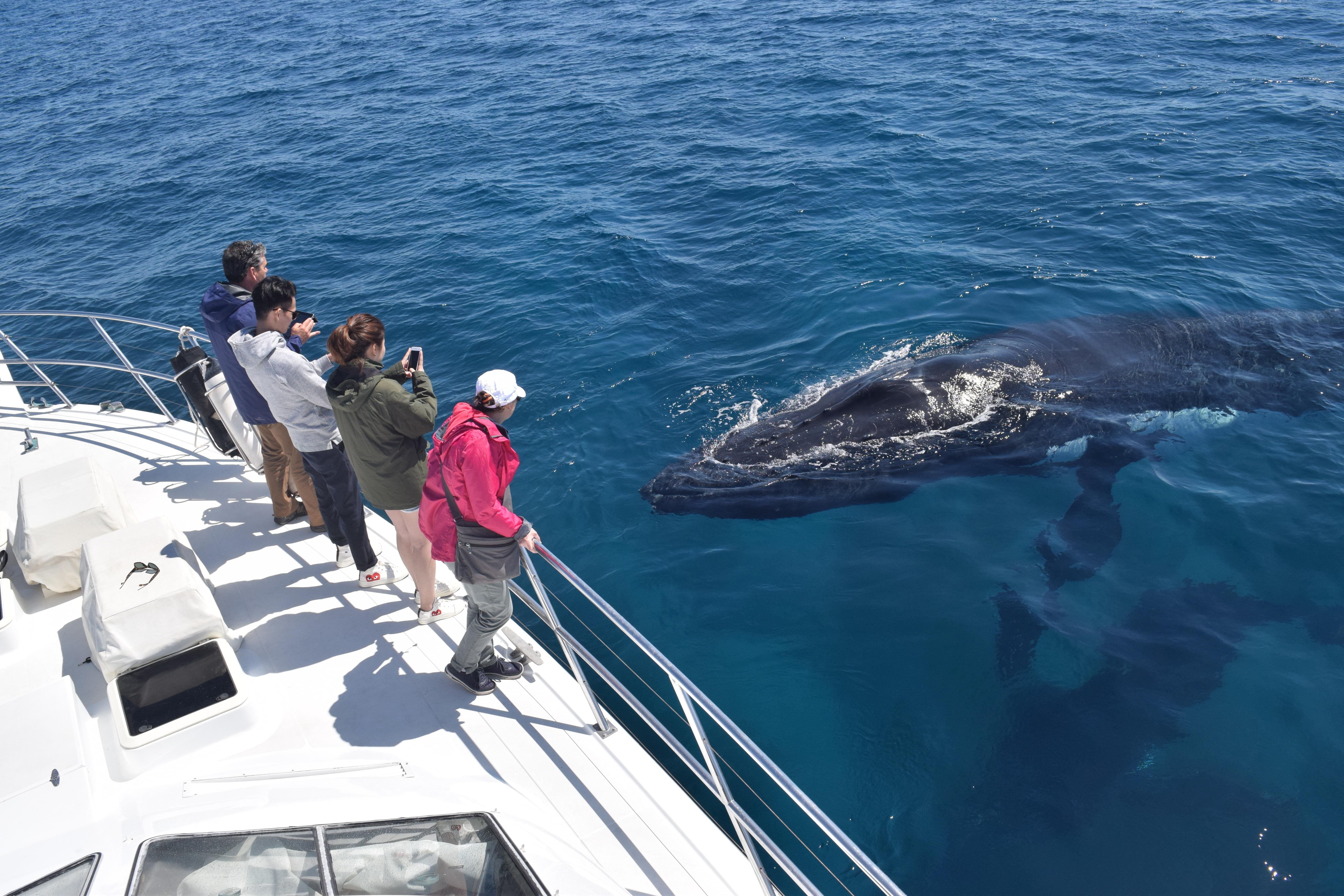
Experience majestic humpback whales up close aboard a purpose-built vessel with expert crew and marine biologists.
Reserve
Hand-picked by our editors — only the best 5 experiences from 12 reviewed.
Verified partners for every tour, free cancellation where available, and instant confirmation on every booking.
2 hr 30 min
Experience majestic humpback whales up close aboard a purpose-built vessel with expert crew and marine biologists.
Reserve
1 hr
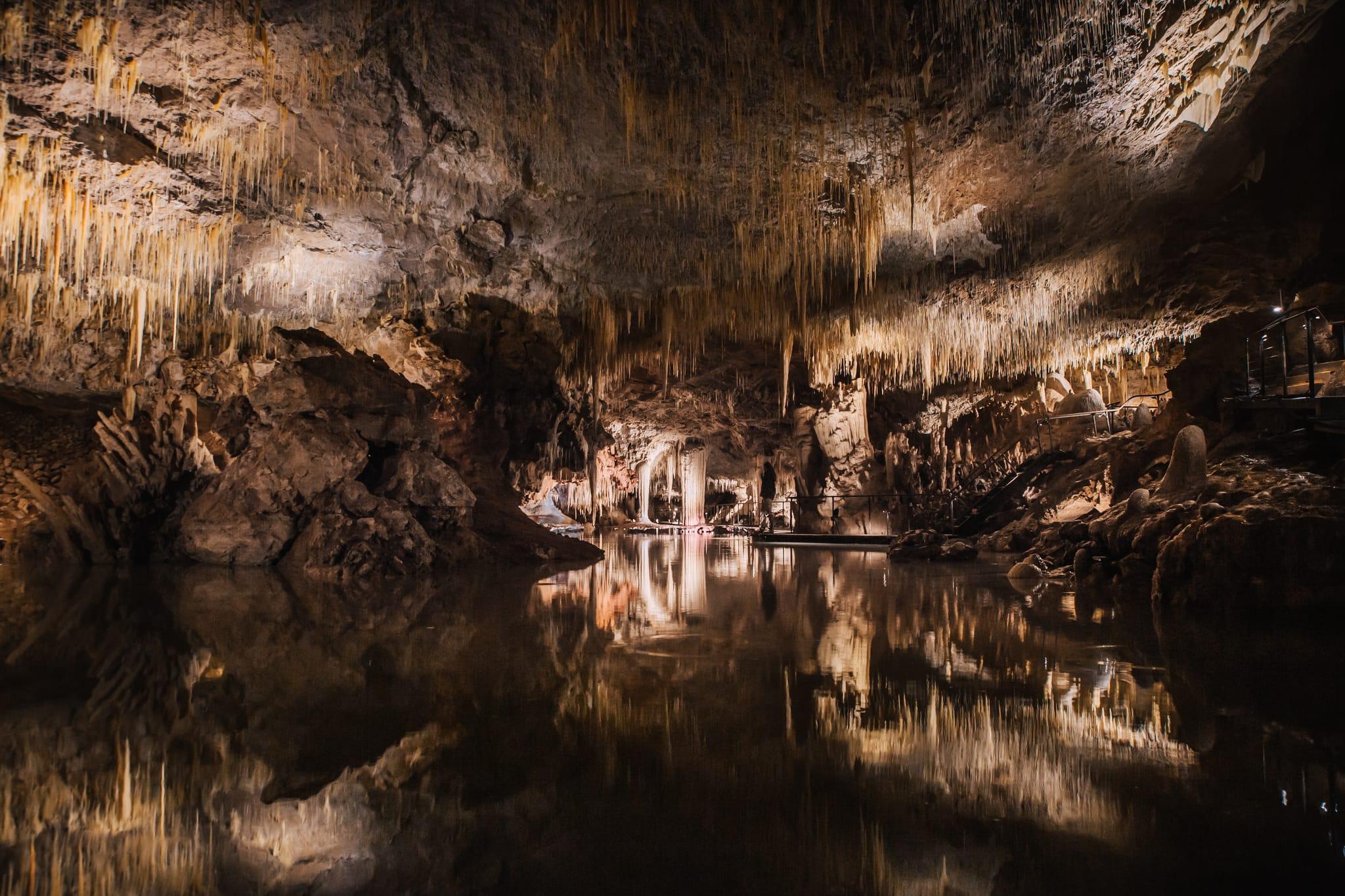
Journey into a subterranean chamber where crystal formations hang above a mirror-still lake
Reserve
1 hr
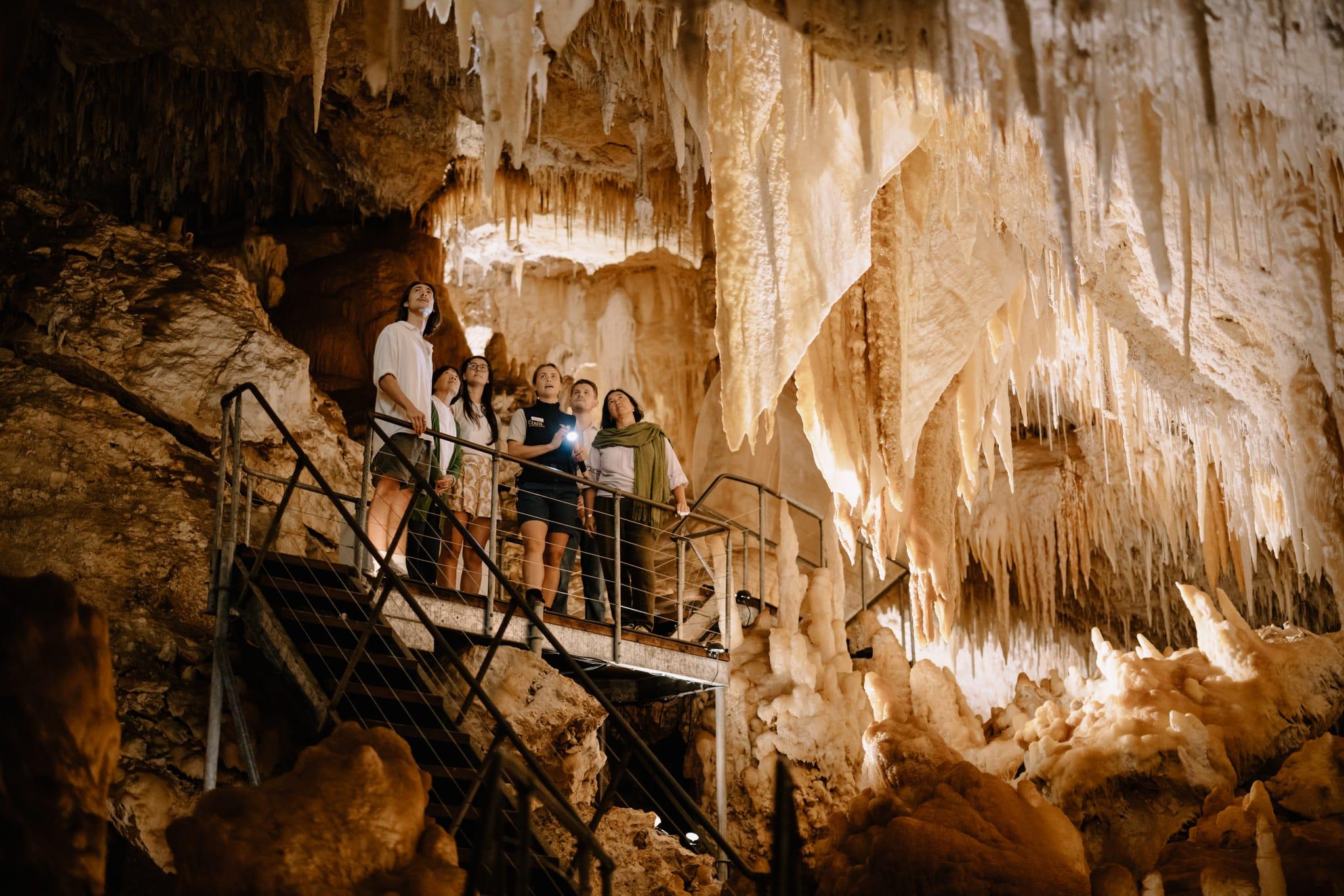
Explore Western Australia's most expansive show cave with a guide through three colossal chambers.
ReservePrices from verified partners. Availability updates in real time at checkout. Free cancellation policies apply where shown.
The landmarks, rooms, and views travelers on this tour remember — all visible on a single visit.
The 20-meter expedition vessel features three spacious outdoor viewing decks and a modern stability design. It accommodates up to 90 passengers and includes a climate-controlled lower cabin.
An indoor VIP seating cabin on the catamaran offering panoramic views of the water. Passengers can interact directly with the skipper and crew during the cruise.
The departure point featuring ramped gangways designed for secure boarding. The harbor facilities include accessible restrooms and a spacious public boat ramp.
The sheltered waters of Flinders Bay where vessels stop to view humpback and southern right whales. This area serves as a critical resting and calving ground for marine mammals.
The spacious indoor cabin featuring large viewing windows, cushioned seating, and complimentary hot drink facilities. It provides shelter from the wind while maintaining clear visibility.
They complement each other; winter visitors should choose an augusta whale watching tour for active Flinders Bay pods, while spring travellers should book Dunsborough or Busselton. Selecting an augusta whale watching tour tour provides early-season excitement, whereas the northern bays offer calm nurseries later on.
| Feature | Top pick Augusta Tour | Busselton & Dunsborough |
|---|---|---|
Departure Location |
Augusta Boat Harbour, Leeuwin Road | Busselton Jetty or Dunsborough Boat Harbour |
Migration Timing |
Late May to late August | September to early December |
Whale Behaviors Observed |
Active breaching, courting, and southern right calving | Mothers resting and bonding with newborn calves |
Boat Type |
20m to 25m motor catamarans | Catamarans and eco-adventure vessels |
Travel Time from Margaret River |
Approximately 30 to 35 minutes driving | Approximately 35 to 45 minutes driving |
| See tickets → |
Verdict: If you want to witness active breaching from May to August, purchase your augusta whale watching tour tickets early, but look at northern options like a South West whale watching excursion if you plan to book augusta whale watching tour tours during the spring months.
Choose your ticket, select your date, and reserve in under two minutes. Secure checkout handled by our verified partner.
Instant confirmation by email, with a mobile voucher you can save offline. No printing, no queuing at a collection desk.
Arrive at the entrance, show your voucher on your phone, and walk in. Most tickets include priority or skip-the-line access.
Practical details for your visit straight from our verified partners — hours, access, rules, and how to get there.
Augusta Boat Harbour, Leeuwin Road, Augusta, Western Australia
Arrive 30 minutes prior to departure; look for the designated operator kiosk near the main boat launch ramp.
Drive south from Margaret River via Bussell Highway, then follow Leeuwin Road directly to the harbor to join your Flinders Bay whale tour. Free parking is available.
Pre-arranged local taxi services can transport passengers from Augusta town center to the harbor.
For the augusta whale watching tour tour, dress in warm layers, as temperatures drop significantly when the vessel is in motion on the open sea. Windproof and waterproof jackets are highly recommended. Flat, rubber-soled enclosed shoes are mandatory for safety on wet decks; sandals and high heels are not permitted.
Only small daypacks or handbags are permitted on board due to space constraints in the passenger cabins. There are no luggage storage lockers at Augusta Boat Harbour, so large suitcases must be left in your vehicle or accommodation. All bags may be subject to a visual inspection by the vessel crew before boarding.
Photography of marine mammals is permitted, and lenses with optical zoom are recommended to capture distant action. Keep your camera gear secure with a neck or wrist strap to prevent drops due to sudden vessel movement. Waterproof cases or protective covers are advised to shield your equipment from salt spray.
Wheelchair access varies significantly between vessels; please verify deck clearances directly with your chosen operator before booking. The boarding gangways at Augusta Boat Harbour are ramped, but tides can alter the ramp angle. Accessible toilets are located onshore at the harbor facilities, though on-board restrooms may have narrow doorways and steps.
Mobile phone reception is generally reliable within Flinders Bay but can become patchy as the vessel travels further offshore. Keep your device securely stored or attached to a lanyard to avoid dropping it overboard during whale sightings. Set your ringtone to silent or vibrate to maintain a peaceful environment for other passengers.
Children must be closely supervised by an adult at all times, especially when standing near the railings on the viewing decks. Many operators offer life jackets sized for children, which must be worn if directed by the crew. Prams and strollers are generally not allowed on board because they cannot be safely secured on moving waters.
Complimentary morning or afternoon tea is provided by most operators, consisting of hot tea, coffee, and biscuits. Guests are allowed to bring light snacks and bottled water, but heavy hot food is prohibited. Alcoholic beverages cannot be brought on board, and glass containers are restricted for safety reasons.
Service dogs are permitted on select vessels by prior arrangement, provided they are trained to cope with boat motion and marine environments. Companion pets, emotional support animals, and therapy animals are strictly prohibited on all vessels. No kennel facilities are available at Augusta Boat Harbour.
It is highly recommended to take motion sickness medication at least one hour prior to embarking on your augusta whale watching tour. Keep in mind that departures are subject to marine weather conditions, so checking the forecast the evening before your trip is advisable.
Augusta Boat Harbour, Leeuwin Road, Augusta, Western Australia
Arrive 30 minutes prior to departure; look for the designated operator kiosk near the main boat launch ramp.
Get directionsBest time to go, insider tips, nearby landmarks, and the cancellation fine print — flip through to skim what matters to you.
How crowds, weather, and events shift across the year.
This peak period offers the highest numbers of migrating humpbacks, making it the best window to book an Augusta whale cruise.
This month is optimal for viewing southern right whales, especially mothers nursing newborn calves in the shallow bay waters.
As the season draws to a close, late sightings occur, but check departure availability beforehand.
The first pods arrive in late May, marking the start of the annual migration from Antarctica.
Small details that turn a good visit into a great one.
Morning trips tend to experience calmer waters and lighter winds compared to afternoon sessions.
Even if the bay appears calm, ocean swells can cause motion sickness, so prepare in advance.
The wind on the open ocean is chilly, even on a sunny winter day, so wear a windproof jacket.
Use a robust neck strap to prevent your camera from falling when the boat rolls on a wave.
Arrive during the recommended 10:00–14:00 window to check in and secure your spot on the vessel before the tour departs.
To secure preferred departure times, book your augusta whale watching tour well in advance.
Non-bookable sights within a short walk — free to visit, easy to pair.
This historic lighthouse marks the meeting point of the Indian and Southern Oceans, offering panoramic ocean views and heritage museum displays.
A large decorated cave featuring massive stalactites and guided walk paths through underground chambers.
A local dining spot situated near the Blackwood River mouth, perfect for lunch after a humpback whale tour Augusta.
A quiet sandy beach suitable for walking and viewing shorebirds along the coastline.
Flexible, no hidden fees.
Cancellations made 24 hours or more before departure qualify for a full refund. If weather conditions on Flinders Bay prevent safe navigation, operators will cancel the trip and offer an alternative date or full refund. Note that while harbor entry is 0 AUD, distinct fees apply when booking an augusta whale watching tour.
Hand-picked options within walking distance — pick a district for vibe, or a specific hotel for convenience.
Self-contained wooden chalets surrounded by native forest and offering river views.
A clean guest house offering private rooms and shared facilities close to the town center.
A caravan park offering waterfront cabins and camping sites along the Blackwood River.
Augusta sits at the meeting point of the Indian and Southern Oceans, where the continental shelf drops away just four kilometres offshore and creates a deep-water highway for migrating humpback whales. Between June and December each year, more than 35,000 humpbacks pass the cape on their annual journey between Antarctic feeding grounds and tropical breeding waters off Western Australia's northwest coast. The proximity of this migratory corridor to shore makes Augusta one of the most reliable whale-watching locations in the southern hemisphere, with sightings recorded on more than ninety percent of departures during peak season. The town's role as a whale-watching hub emerged in the 1990s, when researchers documenting the species' recovery from commercial whaling noted the concentration of animals along the Leeuwin-Naturaliste Ridge. Augusta Boat Harbour, sheltered within the mouth of the Blackwood River, became the natural departure point for operators seeking access to the deeper waters beyond Flinders Bay. The harbour's position at the southwestern tip of the continent means vessels reach open ocean within minutes, minimising travel time and maximising observation windows. Cape Leeuwin Lighthouse, the tallest on mainland Australia, marks the boundary where currents converge and nutrient upwellings attract krill and baitfish — the foundation of the food web that sustains whale populations. Whale watching tours in Augusta follow strict approach protocols established by the Department of Biodiversity, Conservation and Attractions, maintaining minimum distances that allow natural behaviour to unfold without interference. Humpbacks are known for breaching, pectoral slapping, and spy-hopping — behaviours frequently observed in Flinders Bay as mothers and calves rest before continuing south. Operators provide hydrophones on many departures, allowing passengers to hear the complex vocalisations males produce during the breeding season. The acoustic environment beneath the surface is as dynamic as the visual spectacle above it, with songs carrying for kilometres through the thermocline. Augusta's whale-watching season runs in parallel with the southward migration of southern right whales, which occasionally appear inshore during the winter months, adding a second species to the roster. The industry operates from Augusta Boat Harbour on Leeuwin Road, where vessel moorings and departure pontoons provide direct access to the Southern Ocean. Daily tours typically launch between mid-morning and early afternoon, timed to coincide with calmer sea conditions and optimal light for photography. The experience is grounded in marine science, with commentary provided by skippers and naturalists trained in cetacean identification and behaviour. For visitors seeking proximity to one of the planet's great wildlife migrations, Augusta offers a front-row seat to a phenomenon that unfolds with geological punctuality each winter.
"Between June and December each year, more than 35,000 humpbacks pass the cape on their annual journey between Antarctic feeding grounds and tropical breeding waters."
A step-by-step walkthrough of the visit — what you'll see, how long each stage takes, and the details that matter.
You arrive at Augusta Boat Harbour as the morning light slants across the Blackwood River mouth, where the fleet rocks gently against the pontoons. The vessel is purpose-built for whale observation, with wraparound deck space and elevated viewing platforms that give you clear sightlines in every direction. As the boat clears the harbour entrance and turns southwest toward Cape Leeuwin, the land falls away and the Southern Ocean opens in front of you — a deep indigo expanse that stretches unbroken to Antarctica. Twenty minutes offshore, the skipper cuts the engines. The hydrophone drops into the water, and through the speakers you hear it: low, resonant pulses that rise and fall in complex phrases. Then, three hundred metres to starboard, a humpback breaches — forty tonnes of muscle and bone launching clear of the surface before crashing back in a cloud of white water. You steady your camera as a second whale surfaces closer, its knobbly head breaking the waterline in a spy-hop, one dark eye scanning the horizon. A calf rolls alongside its mother, pectoral fin slicing the air in a lazy arc. The boat drifts with the pod for the next hour, engines off, as the whales move through their repertoire: tail slaps that crack like thunder, synchronised dives that leave perfect fluke prints on the surface. Cape Leeuwin Lighthouse stands sentinel on the cliffs behind you, marking the point where two oceans meet and the whales turn south.
The peak migration occurs from June to August, when humpback and southern right whales pass close to Flinders Bay. Booking your augusta whale watching tour during these months offers the highest sighting rates.
Yes, there are marine toilets located on board the vessels. However, it is recommended to use the facilities at the harbor before boarding the augusta whale watching tour.
Most operators offer a sighting guarantee, which allows you to join a future cruise for free if no whales are spotted. Sighting success rates during the peak season of the augusta whale watching tour exceed 99%.
Boarding takes place at Augusta Boat Harbour, located on Leeuwin Road, Augusta, Western Australia. Please check in at your operator's designated office near the harbour ramp.
You can book your augusta whale watching tour tickets online in advance to secure your spot. Note that while entry to the harbor area itself is 0 AUD, individual tour prices apply depending on the operator.
You should dress in warm, windproof layers and wear flat, enclosed rubber-soled shoes. Temperatures drop significantly once the vessel is underway during your augusta whale watching tour.
Children of all ages are welcome, but those under 4 must be closely monitored by parents. Safety briefings and life jackets are provided on the Augusta marine wildlife tour to ensure safety.
Yes, there is ample free parking available for cars, caravans, and buses at the Augusta Boat Harbour. This makes arriving for your augusta whale watching tour convenient.
Most operators offer a full refund if you cancel at least 24 hours prior to departure. If weather makes the augusta whale watching tour unsafe, the trip is cancelled and you will receive a full refund or reschedule.
Yes, you can bring small snacks and water on the augusta whale watching tour, especially if traveling with kids. However, hot meals and glass containers are not permitted.