
2 hr 30 min
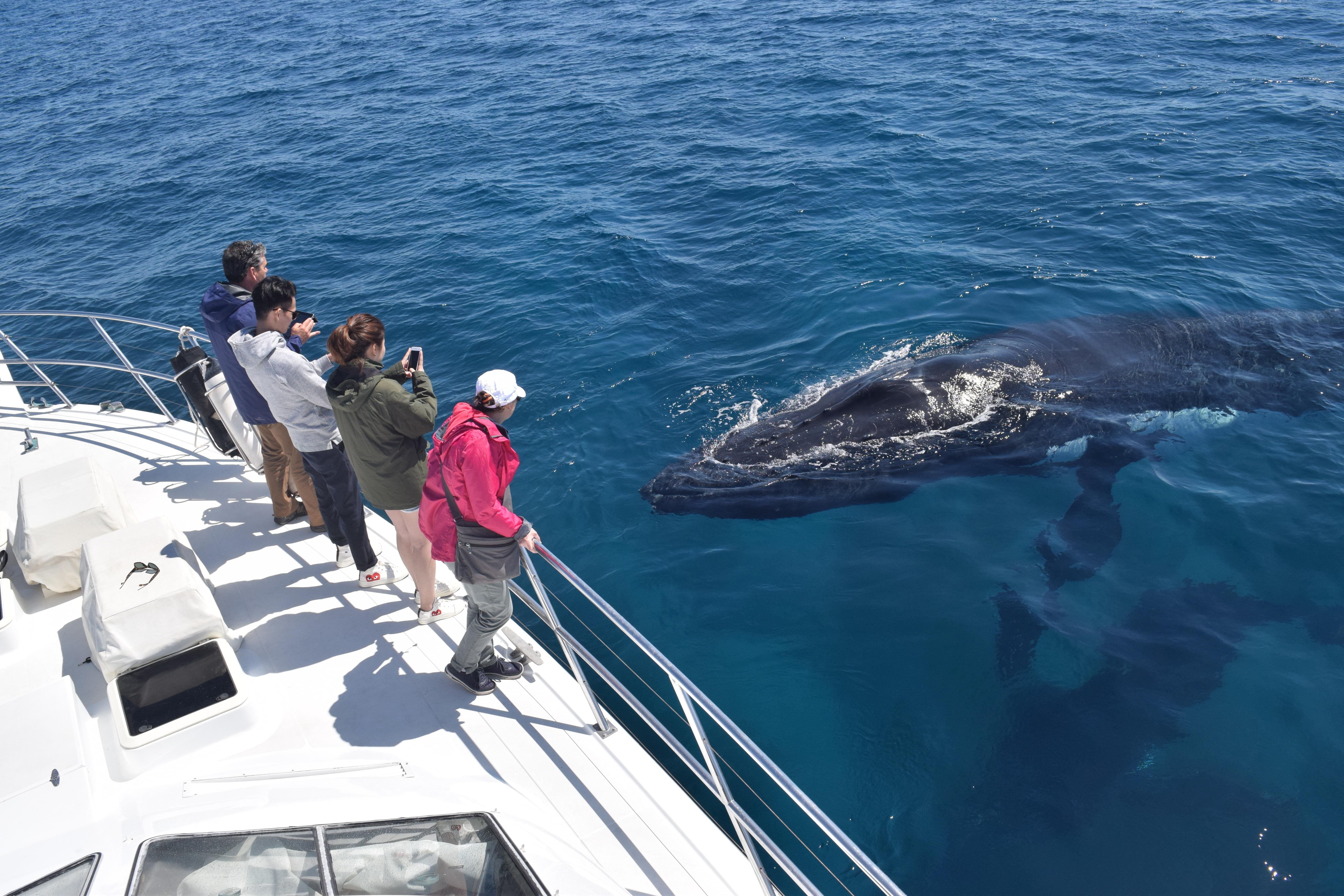
Whale Watching Cruise – Busselton, Augusta & Dunsborough
Spot migrating humpbacks and southern right whales from a purpose-built, two-level vessel with expert crew.
Reserve
Hand-picked by our editors — only the best 5 experiences from 12 reviewed.
Verified partners for every tour, free cancellation where available, and instant confirmation on every booking.
2 hr 30 min
Spot migrating humpbacks and southern right whales from a purpose-built, two-level vessel with expert crew.
Reserve
1 hr
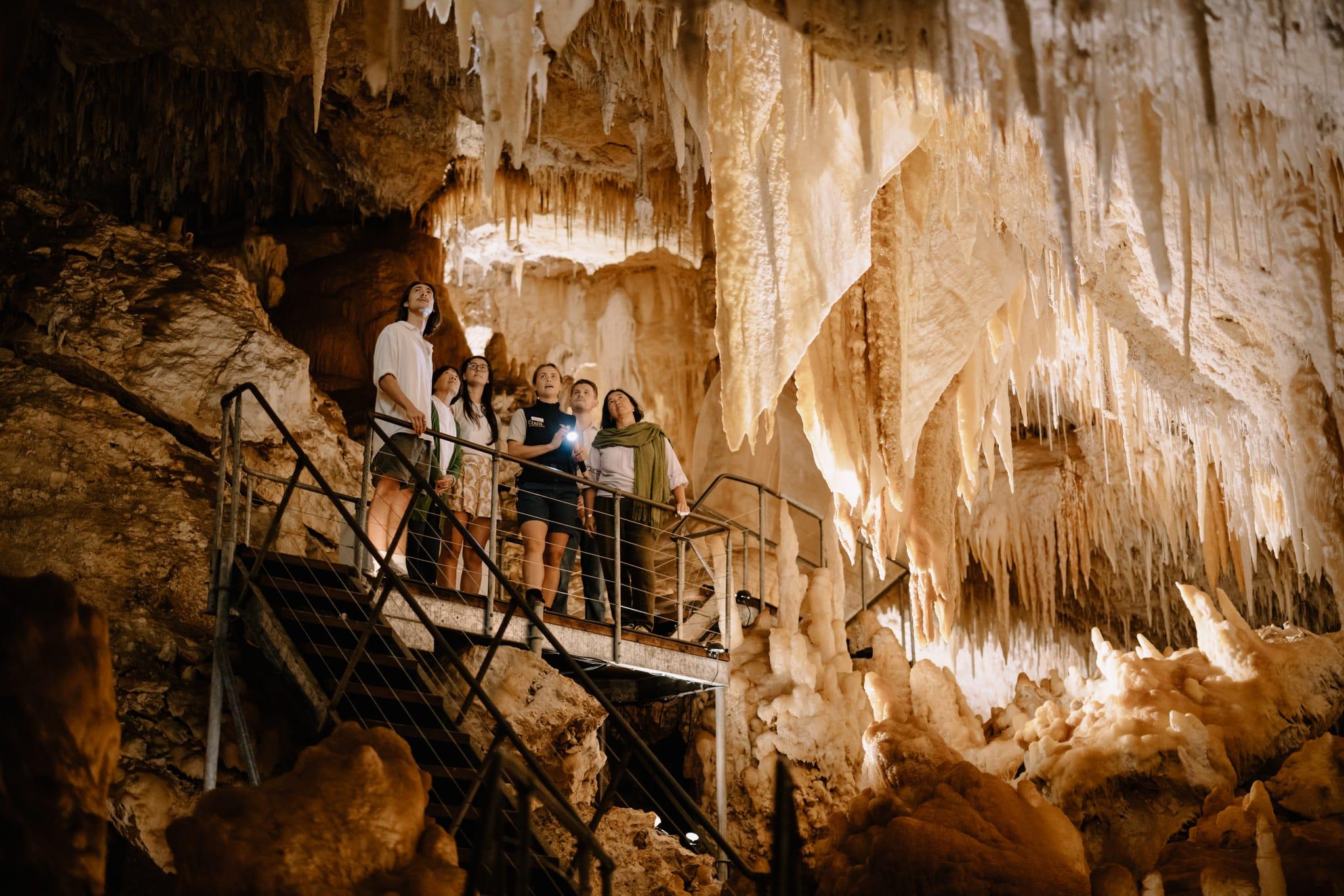
Explore Western Australia's grandest show cave with a guide through three colossal chambers of ancient crystal formations
Reserve
1 hr
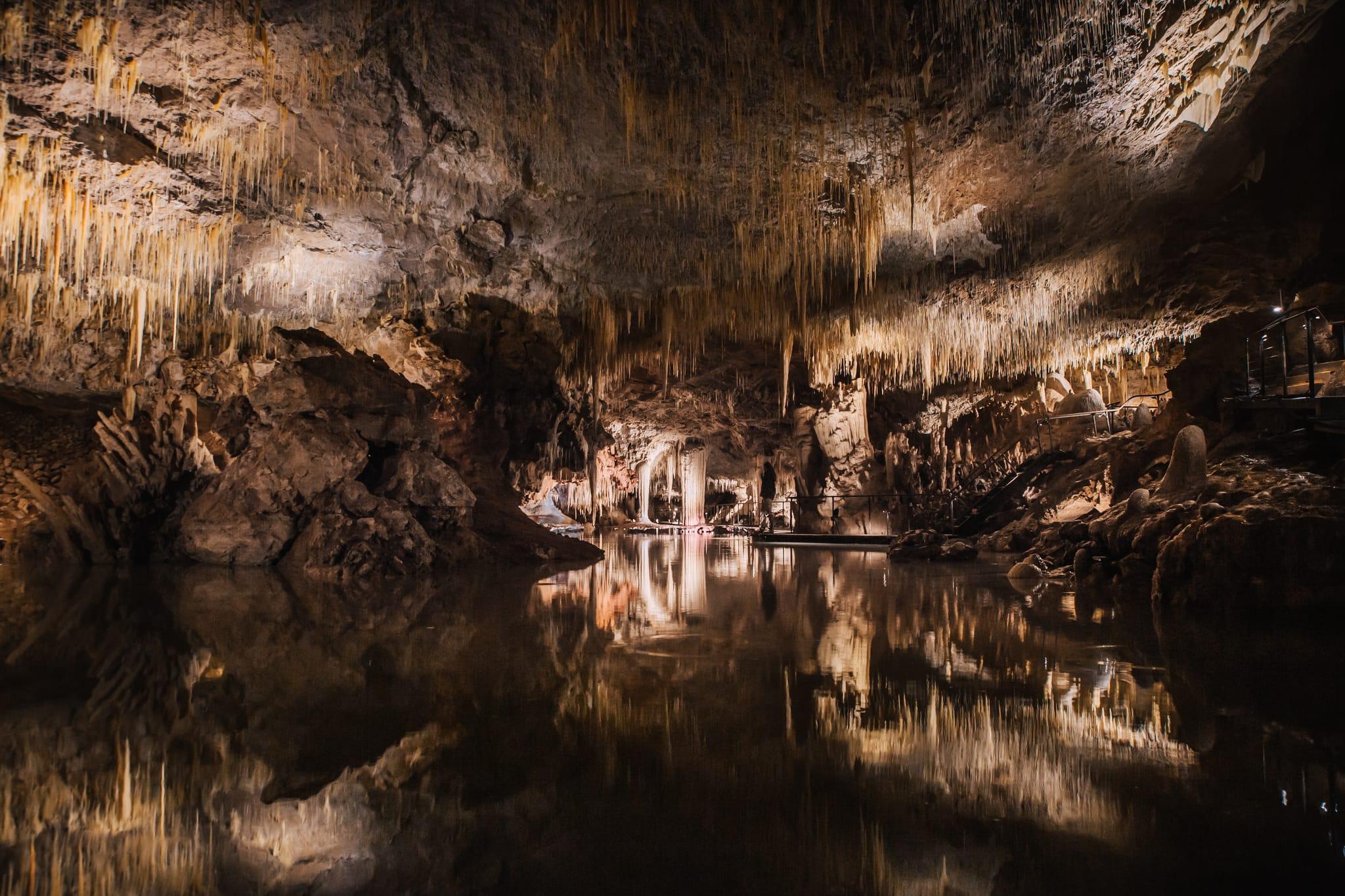
Venture beneath the earth to witness crystal formations reflected in a pristine underground lake
ReservePrices from verified partners. Availability updates in real time at checkout. Free cancellation policies apply where shown.
The landmarks, rooms, and views travelers on this tour remember — all visible on a single visit.
Offers sweeping views of the bay where whales are often spotted from the shore during the season.
Located just south of the harbour, this iconic site is the tallest lighthouse on mainland Australia.
A specialized facility designed to ensure safe and easy boarding for all passengers.
A 50m wharf that serves as the primary departure point for commercial whale watching vessels.
A spacious grassed area with BBQ facilities perfect for a pre-tour meal.
Augusta provides an active migration experience, while Dunsborough offers a calm nursery setting; most visitors who do both find that Augusta provides more surface action and Dunsborough delivers more intimate encounters with mothers and calves.
| Feature | Top pick Augusta Harbour | Dunsborough |
|---|---|---|
Migration Season |
May to August | September to December |
Whale Species |
Humpback and Southern Right | Humpback and Blue Whale |
Sea Conditions |
Open ocean swell | Protected bay waters |
Distance from Perth |
320 km | 250 km |
Core Species Behavior |
Active traveling and breaching | Resting nursing mothers and calves |
augusta boat harbour whale watching tours |
Daily departures | Daily departures |
| See tickets → |
Verdict: Choose Augusta boat harbour whale watching tickets for high-energy migration sightings or Dunsborough if you prefer calmer waters and observing social interaction between calves and mothers; check available augusta boat harbour whale watching tour times before travel, as the augusta boat harbour whale watching experience is best timed for the peak morning window.
Choose your ticket, select your date, and reserve in under two minutes. Secure checkout handled by our verified partner.
Instant confirmation by email, with a mobile voucher you can save offline. No printing, no queuing at a collection desk.
Arrive at the entrance, show your voucher on your phone, and walk in. Most tickets include priority or skip-the-line access.
Practical details for your visit straight from our verified partners — hours, access, rules, and how to get there.
Dress in layers, including a windproof and waterproof jacket, as conditions at sea can be significantly cooler than on land. Flat, rubber-soled shoes are strongly recommended for safety on moving decks.
Keep bags compact and waterproof to protect gear from ocean spray. The site features 24hr CCTV surveillance for general security.
Bring a camera with a wrist or neck strap to ensure it remains secure while you balance on board. A zoom lens is recommended to capture wildlife from a respectful distance.
The harbour provides purpose-built facilities for people with disability, including a universal access pontoon, accessible car parking, and tactile pathways.
The harbour is a family-friendly location with grassed picnic areas and safe, easy access for passengers of all ages.
Picnic facilities, including BBQs and grassed areas, are available near the harbour. Most boat operators allow you to bring your own snacks and water.
Best time to go, insider tips, nearby landmarks, and the cancellation fine print — flip through to skim what matters to you.
Flexible, no hidden fees.
Operators typically offer flexible rescheduling if no whales are sighted. Please confirm specific booking terms directly with your chosen tour provider.
Augusta Boat Harbour sits at the mouth of the Blackwood River where it meets Flinders Bay, a sheltered anchorage that has served as a refuge for vessels since the 1830s. The harbour's position on the southern tip of Western Australia places it directly along the migration corridor of humpback and southern right whales, which travel between Antarctic feeding grounds and tropical breeding waters twice each year. During peak season—May through early December—up to three thousand humpbacks pass through the bay, often pausing to rest in the calm water within sight of the harbour breakwall. The facility itself was upgraded in 1999 to accommodate both recreational craft and commercial tour vessels. A single concrete ramp descends to a floating pontoon system that adjusts with the tide, and a small fleet of licensed whale-watching operators berths here year-round. The harbour is managed by the Western Australian Department of Transport, which enforces strict approach distances: vessels must remain at least one hundred metres from any whale unless the animal initiates closer contact. These rules, combined with the bay's natural acoustics, mean that augusta boat harbour whale watching tours prioritise passive observation over intrusive pursuit. Flinders Bay's bathymetry—a shallow continental shelf that drops sharply into deep water—creates upwelling currents rich in krill and baitfish, drawing whales close to shore. Southern right whales, identifiable by their callosities and lack of dorsal fin, favour the bay's eastern edge for calving, while humpbacks breach and tail-slap in open water. The harbour's location also offers sightings of orcas, which hunt seal colonies on nearby rocky outcrops, and occasional blue whales during late spring. Augusta boat harbour whale watching departs twice daily during the migration window, with morning cruises leaving between nine and ten and afternoon trips departing after one. The harbour's compact layout means boarding is efficient: most operators load passengers directly from the pontoon within ten minutes of the scheduled departure. Vessels range from rigid inflatables to larger catamarans, each carrying hydrophones that broadcast whale song through onboard speakers. The proximity to Cape Leeuwin—where the Indian and Southern Oceans meet—adds dramatic coastal scenery to every trip, with the 1895 lighthouse visible on the western headland.
"During peak season, up to three thousand humpbacks pass through Flinders Bay, often pausing within sight of the harbour breakwall."
A step-by-step walkthrough of the visit — what you'll see, how long each stage takes, and the details that matter.
You arrive at Leeuwin Road and park in the gravel lot beside the harbour office. A weathered sign directs you down a sloped path to the floating pontoon, where a twin-hulled catamaran idles against the dock. The skipper checks your mobile voucher and hands you a windproof jacket—the bay is calm now, but open water is fifteen degrees cooler. You step aboard and claim a seat on the upper deck, where benches face outward on three sides. The engine hums to life and the boat clears the breakwall within five minutes, passing a line of moored sailboats. The crew activates the hydrophone and a low, resonant moan fills the cabin—humpback song, transmitted live from somewhere beneath the hull. Ten minutes out, the first blow appears: a vertical plume of mist two hundred metres to starboard. The boat slows and drifts. A dark shape rolls at the surface, then a fluke rises and hangs for three seconds before sliding under. You count eight more blows in the next half hour, some distant, two close enough to see barnacles crusting the animal's chin. The skipper cuts the engine entirely during each encounter, and the only sound is the exhalation of whales and the creak of the hull.
The best time for augusta boat harbour whale watching is during the peak season from June to August when Humpback and Southern Right whales frequent Flinders Bay.
The harbour is open 00:00–23:59 daily.
There is 0 AUD entrance fee for the harbour itself; tour prices vary by operator.
Pack polarized sunglasses, a waterproof jacket, a camera with a strap, and sunscreen for your augusta boat harbour whale watching tour.
The harbour is located at Leeuwin Road, Augusta, accessible by car or local taxi services.
Yes, the harbour provides a universal access pontoon, accessible parking, and tactile pathways.
Yes, most operators allow you to bring snacks and water on your augusta boat harbour whale watching tour, but glass bottles are typically prohibited.
You can book augusta boat harbour whale watching tickets directly through licensed tour operators or via the official site.
Yes, there is car and boat trailer parking for 160 vehicles and standard car parking for 80 vehicles.