
English| EUR
Suggested for you
More currencies
Choose a language
Augusta sits at the confluence of the Indian and Southern Oceans, placing it directly on the migratory superhighway of humpback and southern right whales. Understanding the season's rhythm—when the northbound and southbound legs peak, and which weather windows deliver the clearest sightings—shapes whether you catch a breach or scan empty water.
Quick answer
The augusta whale watching season runs from mid-May through late September, with peak activity concentrated in June and July when humpback whales pass northward toward breeding grounds. Southern right whales appear closer to shore during the southbound migration in August and September. Tours depart daily between 09:00 and 17:00 from Augusta Boat Harbour, with morning slots offering calmer seas and better light for spotting blow spouts across Flinders Bay.
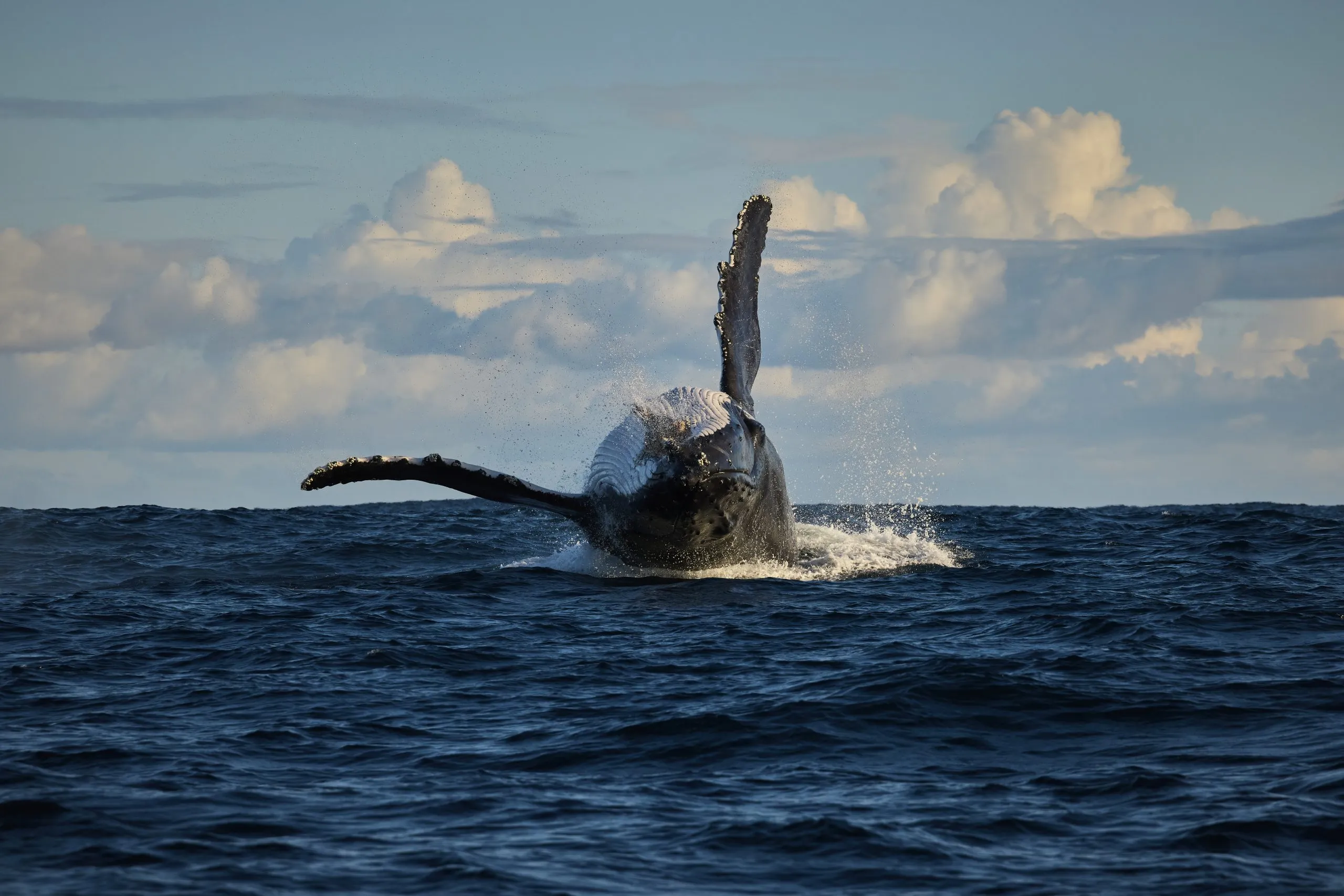
More than 35,000 humpback whales migrate along Australia's western coastline each year, and Augusta marks the point where the continental shelf drops away into deep ocean trenches. That geography forces whales into a narrow coastal corridor, bringing them within a few hundred meters of shore. In June, the northbound migration peaks as mothers with calves move toward the Kimberley's warm waters. By August, the return journey begins, and southern right whales—slower, more coastal feeders—linger in the sheltered bays. Flinders Bay and the waters off Cape Leeuwin provide natural amphitheaters for whale activity. Humpbacks breach, tail-slap, and spy-hop within sight of the lighthouse. Southern right whales bring calves into the shallows, sometimes visible from the shoreline itself. The augusta whale watching season guide hinges on this predictable migration pattern, but daily conditions—wind direction, swell height, and water clarity—determine whether a tour delivers close encounters or distant spouts. Tour operators launch from Augusta Boat Harbour on Leeuwin Road, with vessels ranging from rigid inflatables to larger catamarans. Most trips last three hours and follow the 100-meter depth contour where whales surface to rest and socialize. Skippers monitor radio reports from other boats, adjusting routes in real time. Morning departures between 09:30 and 13:30 align with the calmest sea state and optimal light angles for photography. Entry to the harbour precinct is free; tour fees vary by vessel type and group size. The shoulder months—late May and early September—see fewer crowds and lower prices, though whale numbers drop off as the migration tapers. Mid-season offers the highest density of sightings but also the most competitive booking landscape. Operators recommend securing spots two to three weeks ahead during the augusta whale watching season peak in June and July, when some days log a dozen separate whale pods within a five-kilometer radius of the cape.
“Augusta marks the point where the continental shelf drops away into deep ocean trenches, forcing whales into a narrow coastal corridor within a few hundred meters of shore.”
The Augusta whale watching season runs from late May through August, as Humpback and Southern Right whales utilize Flinders Bay for resting and socializing during their northern migration. June and July consistently provide the highest volume of sightings as whale activity peaks within the protected waters.
14°C to 18°C; cool and clear. Early season activity begins as whales enter the bay.
13°C to 17°C; frequent rain. Peak migration period with frequent surface activity.
14°C to 18°C; mild conditions. Final weeks of the season offer frequent sightings of cow-calf pairs.
Verdict: The best time to visit is during the peak months of June and July for the highest probability of whale sightings.
Augusta Boat Harbour remains open daily to facilitate whale watching departures. Visitors are encouraged to align their arrival with the optimal window for daily tour schedules.
Whale watching departures are based at the Augusta Boat Harbour, located on Leeuwin Road in Augusta, Western Australia. Access to the harbour is straightforward via private vehicle or taxi from the Augusta town centre.
Follow Bussell Highway (State Route 10) south into Augusta, then continue onto Leeuwin Road
Local services from Augusta town centre to Augusta Boat Harbour
Follow Leeuwin Road south along the coast from the town centre
The best arrival window is 09:30–13:30. Arriving within this timeframe ensures you are positioned for daily tour departures and provides optimal light for spotting whales in the bay.
Access to the Augusta Boat Harbour is free of charge for all visitors. Costs for whale watching experiences are determined independently by tour operators based on their specific vessel offerings.
Verdict: While harbor entry is free, individual tour operators set their own pricing for whale watching departures based on the selected cruise package.
Preparation ensures comfort and maximizes your chances of capturing encounters during peak whale migration months.
Everything you need to know about augusta whale watching season
The Augusta whale watching season typically runs from late May through August, providing ample opportunities to observe Humpback and Southern Right whales. Visiting during these cooler months allows you to witness the peak migration activity in the Southern Ocean.
Entry to the Augusta Boat Harbour itself is 0 AUD, meaning there is no cost to access the departure area. Please note that individual tour operators set their own prices for boat trips departing from this facility.
The harbour is accessible from 09:00 to 17:00, Monday through Sunday. These consistent hours ensure you can reach the facility throughout the entire week during the active season.
Yes, the Augusta whale watching season is generally family-friendly, as the calm waters of Flinders Bay offer a comfortable environment for observers of all ages. Always check with your specific tour provider regarding age requirements or safety guidelines for children.
The best arrival window is 09:30–13:30 to ensure you are ready for daily tour departures. Arriving during this period also provides the most favorable light for spotting marine mammals in the bay.
When planning your trip, consider terms like Humpback migration, Southern Ocean, marine mammals, Flinders Bay, and migration patterns. These terms help describe the natural phenomena occurring during the local whale watching season.
The Augusta Boat Harbour provides essential infrastructure for tour departures, including parking and easy access to the jetty. While the harbour is a public area, visitors should arrive prepared for coastal conditions, including appropriate clothing for a maritime environment.